
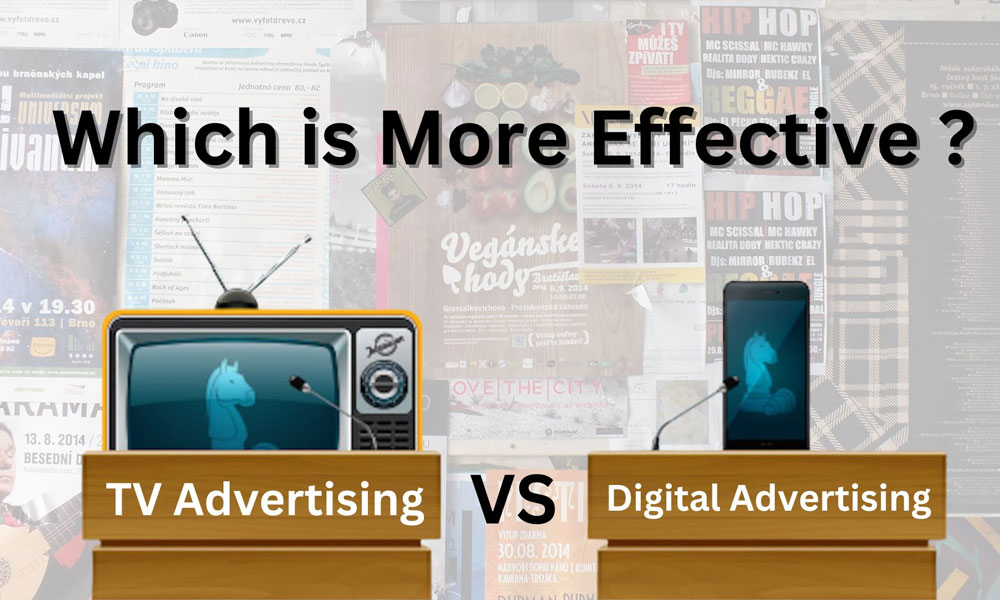
In today’s fast-changing marketing world, businesses have more advertising choices than ever before. While television commercials were once the dominant form of advertising, digital ads have transformed how brands connect with consumers. Both methods offer unique advantages, but when it comes to return on investment (ROI), businesses must evaluate which platform delivers better results based on budget, audience, and campaign goals.
Television commercials are known for their broad reach and strong emotional impact. A well-produced TV advertisement can quickly create brand awareness and credibility among large audiences. Major brands often use television advertising during sports events, reality shows, and prime-time programming to maximize visibility. TV ads are especially effective for businesses targeting mass audiences across multiple demographics. According to advertising experts, television still plays a powerful role in building brand recognition and trust.
However, television advertising comes with significant costs. Production expenses, celebrity endorsements, and premium airtime rates can make TV commercials unaffordable for many small and medium-sized businesses. In addition, measuring exact customer engagement and conversions from television campaigns can be challenging. Businesses may know how many people watched the ad, but tracking actual sales impact is often less precise compared to digital platforms.
Digital advertising, on the other hand, offers businesses greater flexibility, targeting, and measurable performance. Platforms like Google, Facebook, Instagram, and YouTube allow businesses to target users based on age, location, interests, search behavior, and purchasing habits. This level of precision helps brands reach highly relevant audiences while controlling advertising costs. Many marketers believe digital advertising delivers better ROI because campaigns can be optimized in real time based on performance data.
Another major advantage of digital advertising is accessibility. Small businesses can start campaigns with modest budgets and scale them as results improve. Digital ads also provide detailed analytics, including clicks, impressions, conversions, and customer engagement. These insights help businesses make informed marketing decisions and improve future campaigns. Social media advertising additionally allows brands to interact directly with customers, strengthening relationships and brand loyalty.
For businesses developing branding and communication strategies through Pitch Craft, digital advertising often provides more cost-effective and measurable opportunities to reach targeted audiences while maintaining consistent brand messaging.
Ultimately, while TV commercials remain valuable for large-scale brand awareness, digital advertising generally delivers stronger ROI for most modern businesses due to its affordability, targeting capabilities, flexibility, and measurable performance.