
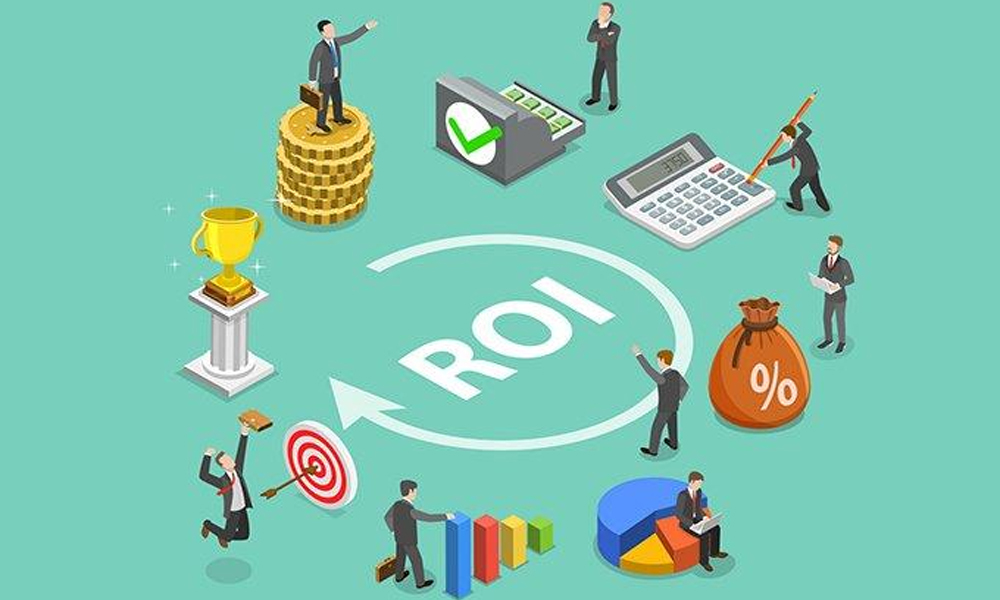
In today’s competitive digital landscape, businesses invest significant resources in online marketing to generate leads, increase brand awareness, and drive sales. However, simply launching campaigns is not enough. Organizations must evaluate whether their marketing efforts are delivering meaningful results. This is where measuring Return on Investment (ROI) becomes essential. Understanding digital marketing ROI helps businesses determine the effectiveness of their campaigns and make informed decisions about future marketing investments.
ROI in digital marketing refers to the revenue or value generated from a campaign compared to the amount spent on it. A positive ROI indicates that a campaign is generating more value than it costs, while a negative ROI suggests that adjustments may be needed. According to the experts tracking campaign performance through measurable metrics is critical for understanding marketing effectiveness and optimizing future strategies.
One of the most common misconceptions is that high website traffic automatically means campaign success. While traffic is an important metric, it does not necessarily translate into business results. True ROI measurement goes beyond clicks and impressions to focus on conversions, revenue, customer acquisition costs, and customer lifetime value. Businesses should identify key performance indicators (KPIs) that align with their specific objectives before evaluating campaign performance.
At Pitch Craft, we emphasize that different digital marketing channels often require different ROI measurement approaches. For example, paid advertising campaigns may be evaluated based on cost per lead or return on ad spend (ROAS), while content marketing initiatives may focus on lead generation, engagement, and long-term customer acquisition. Social media campaigns often contribute to brand awareness and customer relationships, making their impact more challenging—but equally important—to measure.
Modern analytics tools allow marketers to track user behavior across multiple touchpoints, providing valuable insights into customer journeys. Platforms such as Google Analytics and customer relationship management (CRM) systems help businesses understand which channels, campaigns, and content pieces contribute most effectively to conversions and revenue growth.
Another important consideration is the difference between short-term and long-term ROI. Some campaigns generate immediate sales, while others build brand recognition and trust that contribute to future revenue. Businesses should evaluate both direct and indirect returns to gain a comprehensive understanding of campaign performance.
Ultimately, measuring ROI in digital marketing is not just about calculating profits—it is about understanding what works, what doesn’t, and where resources should be allocated for maximum impact. By consistently tracking meaningful metrics and refining strategies based on data, organizations can improve marketing efficiency, maximize returns, and achieve sustainable business growth in an increasingly competitive digital environment.